

Stainless Steel I-Beam Trolley: When Is It Needed in Industrial Applications?
April 7, 2026
How to Choose an I-Beam Trolley for Cable and Hose Support Systems
April 14, 2026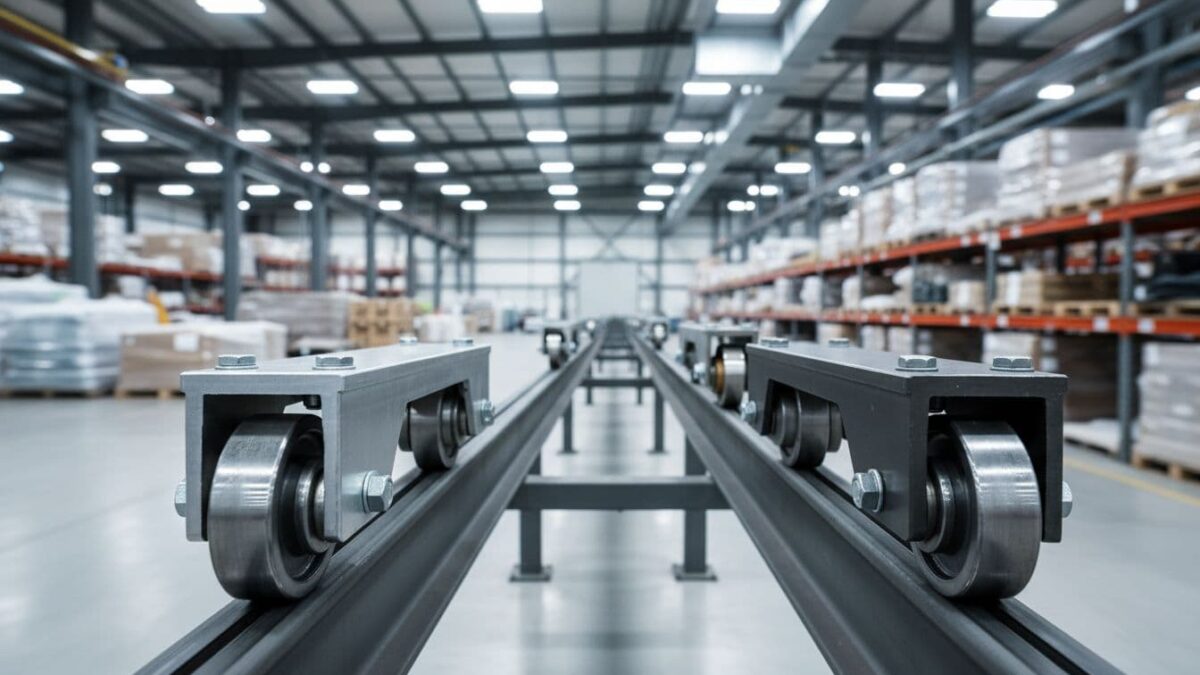
Many buyers start with rated capacity and beam size, and that makes sense. Still, the I-beam trolley material also affects how smoothly it rolls, how long it lasts, how much upkeep it needs, and where it can work safely.
An I-beam trolley, also known as a beam travelling trolley, is the rolling carriage that travels along a beam and carries a hoist or other lifting equipment for suspended loads. The right material depends on four things: load weight, site conditions, how often the trolley runs, and how much long-term maintenance your team can accept.
Key Takeaways
- Material choice drives I-beam trolley performance: Forged steel excels for heavy loads with superior strength and wear resistance; aluminum suits lighter duties for easier handling; coated or corrosion-resistant steel protects against rust in wet or dirty environments.
- Match material to job site conditions: Standard steel works well in dry indoor warehouses, while corrosion-resistant options prevent premature failure in humid, outdoor, or washdown areas, often delivering better long-term value.
- Consider load, usage frequency, and maintenance: Heavier trolleys increase rolling effort but offer durability for high-cycle use; lighter materials reduce operator strain but limit capacity; prioritize life cycle costs over upfront price.
- Key buying factors include environment and duty cycle: Assess full load with hoist, beam compatibility, site exposure, and operation frequency to avoid mismatches that lead to wear, downtime, or safety issues.
The main materials used in I-beam trolleys and what each one does best
Most I-beam trolleys, typically paired with a chain hoist and compatible with both standard I-beams and H-beams, use steel in some form, but not all steel behaves the same in service. Some designs also use aluminum for lighter-duty handling, while others use coated or corrosion-resistant steel for wet or dirty sites. These materials support various trolley types, from push travel trolleys to geared beam trolleys, each suited to specific applications like heavy-duty tasks or precision movement.
This quick comparison helps frame the tradeoffs.
| Material | Best fit | Main advantage | Main limitation |
|---|---|---|---|
| Forged steel | Heavy industrial lifting | High strength and wear resistance | Heavier, can rust without protection |
| Aluminum | Light to moderate loads | Lower trolley weight, easier handling | Lower load capacity than heavy steel designs |
| Coated or corrosion-resistant steel | Wet, outdoor, washdown, dusty sites | Better rust protection and longer service life | Higher upfront cost |
In practice, no single material wins in every setting. A trolley that performs well in a dry warehouse may struggle in a humid plant, while a corrosion-resistant model may cost more than a standard unit but save money over time.
Why forged steel is the go-to choice for heavy loads
Forged steel remains the standard choice for many industrial trolleys because it combines strength, toughness, and good wear resistance. In factories, industrial workshops, fabrication lines, and crane systems for heavy-duty tasks, those traits matter every day.
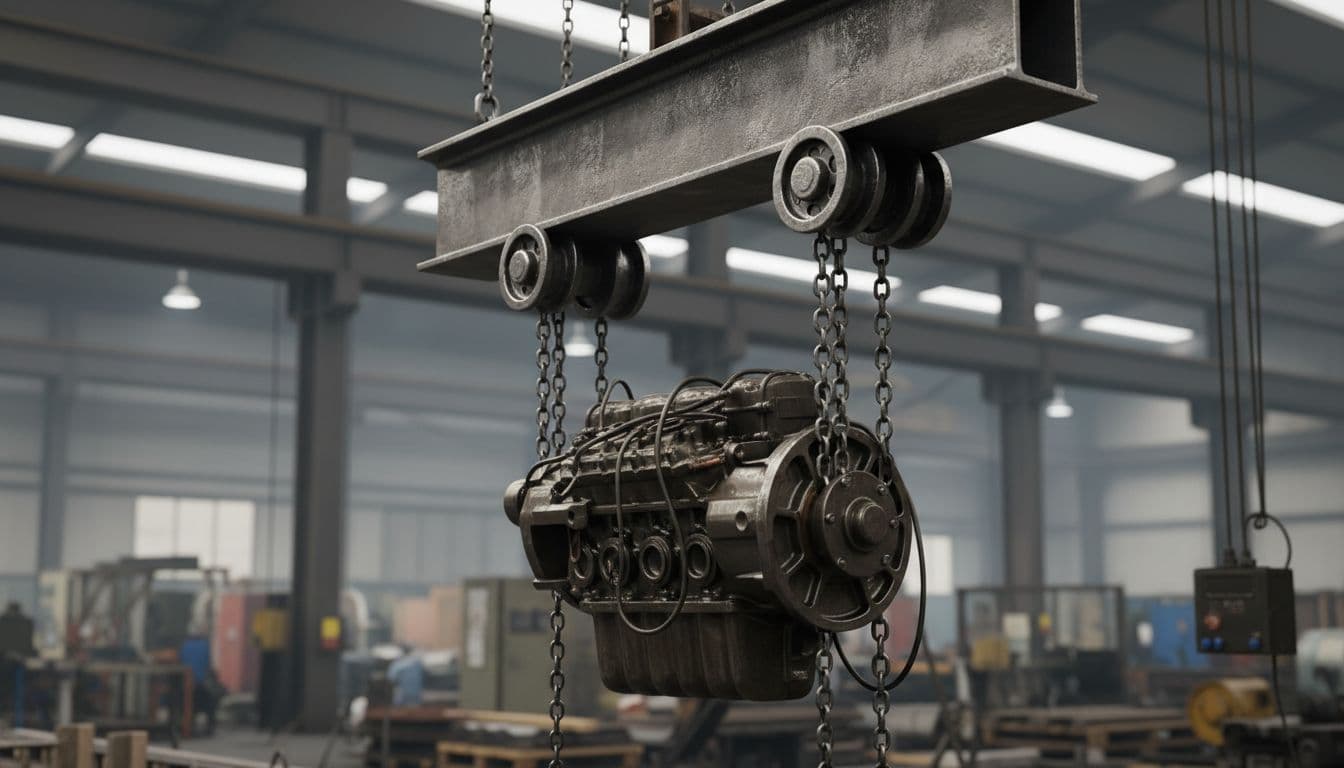 Forged steel wheels and rollers hold shape under high loads and repeated use, making it ideal for geared beam trolleys that require precision movement. That reduces the risk of early deformation and uneven rolling. As a result, steel trolleys often suit heavier capacities and harsher duty cycles better than lighter materials. The tradeoff is weight. A steel trolley is harder to handle during installation and manual pushing, and plain steel still needs surface protection if rust is a concern.
When aluminum makes sense for lighter, easier handling
Aluminum helps when lower trolley weight matters more than maximum load rating. For manual handling, a lighter trolley can feel easier to push, faster to position, and less tiring for operators over repeated short moves.
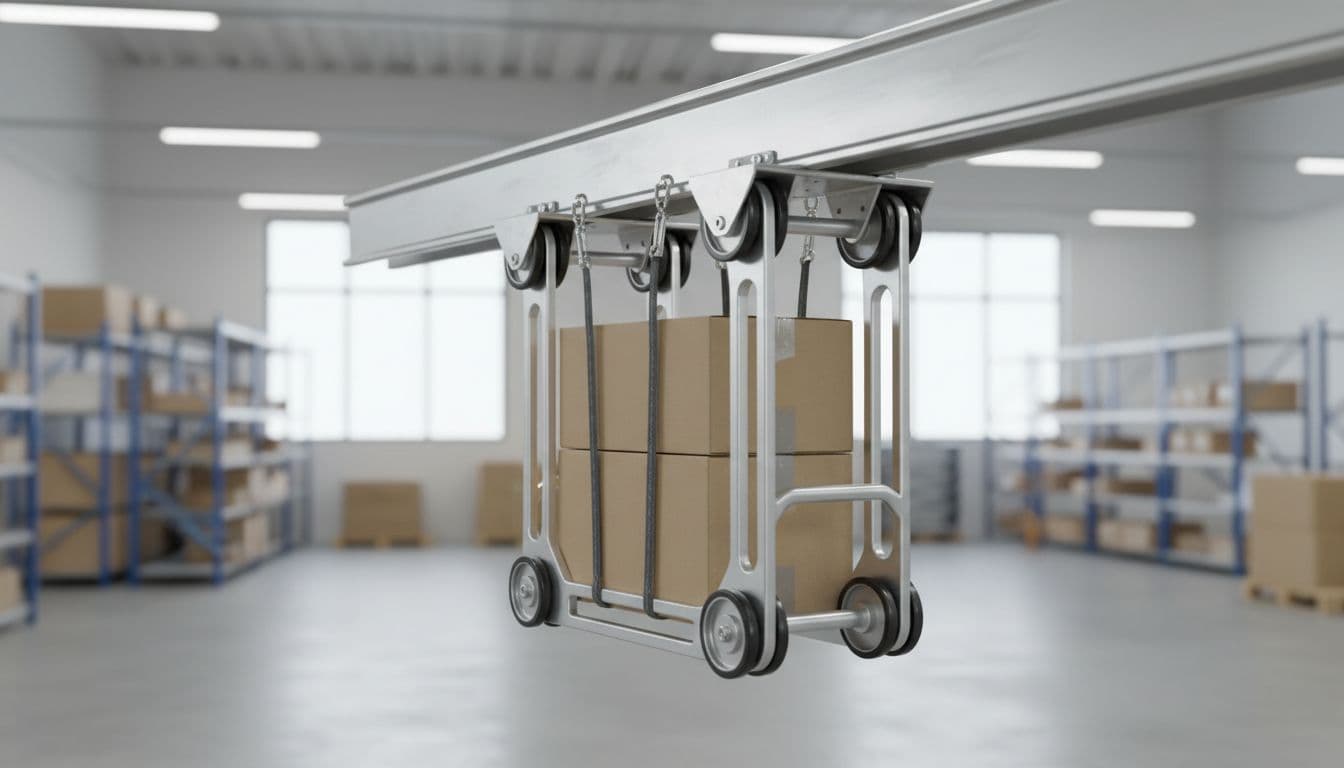 That makes aluminum attractive in lighter-duty warehouse work, maintenance areas, and applications where workers move loads by hand, serving as an ideal choice for push travel trolleys and manual beam trolleys. It also resists rust better than unprotected carbon steel. Even so, aluminum is usually not the first choice for the heaviest lifting jobs. Under high loads and high cycle use, stronger steel-based designs still offer a wider safety margin and better long-term wear performance.
How coated and corrosion-resistant steel help in wet or dirty spaces
Moisture, washdown routines, salt air, and airborne dust can shorten trolley life long before rated capacity becomes the issue. In those conditions, coated steel or corrosion-resistant steel often gives better value than plain steel.
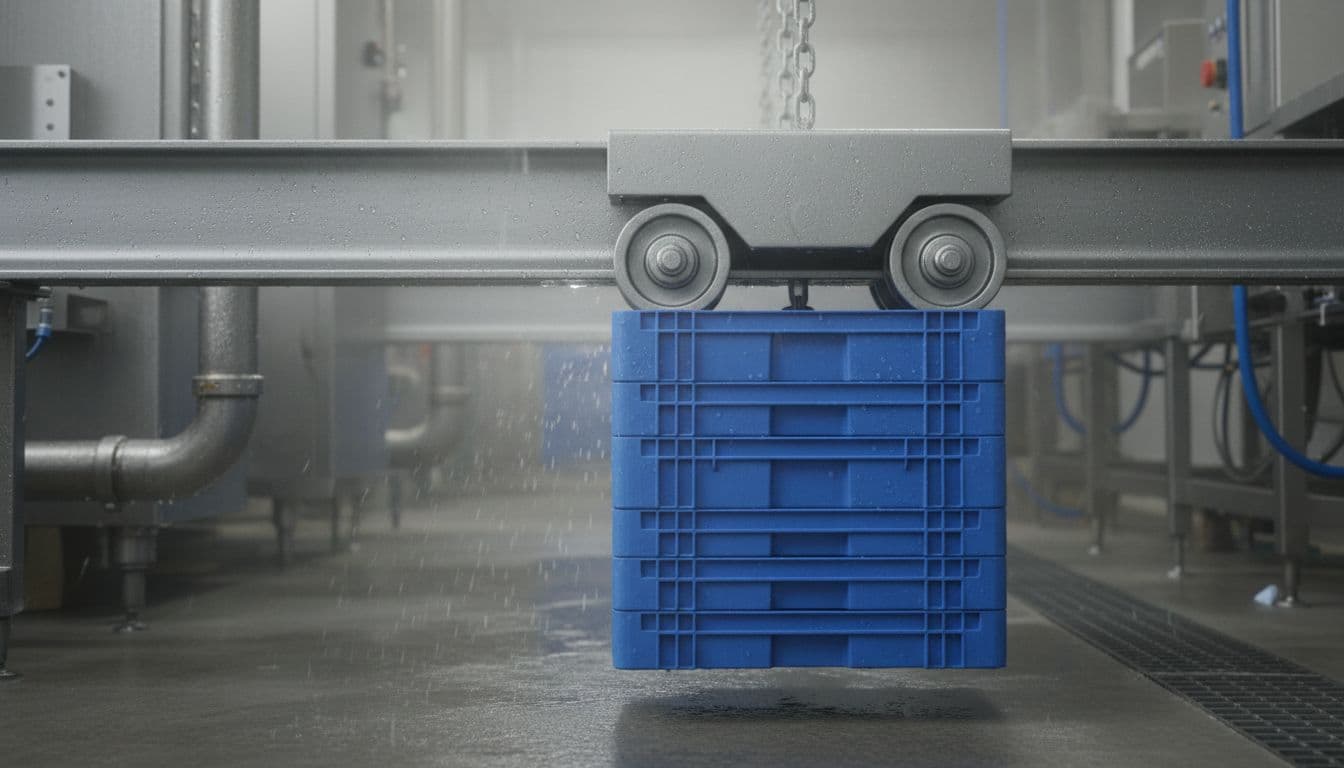 Protective finishes help shield frames, axles, and wheels from rust. Stainless or corrosion-resistant designs can also support cleaner operation in food, marine, chemical, and outdoor settings. The initial price is higher, but surface protection often pays back through longer service life, fewer seized parts, and lower maintenance demand. For harsh sites, material choice is often a reliability decision, not only a cost decision.
How material choice changes real-world trolley performance
Material choice is not only about what the trolley is made from. It shapes how the trolley behaves in daily use, from rolling effort to wear rate and inspection needs.
Load capacity and strength start with the material
Higher-capacity trolley designs usually depend on stronger materials, especially steel. Stronger wheels, side plates, and axles resist bending, cracking, and wheel damage when loads stay near working limits. These components also support the hoist suspension securely under stress.
That said, capacity labels should never be read in isolation. A trolley must match the actual beam profile, including beam width and flange thickness, along with hoist weight, lifted load, and use pattern. A material that looks acceptable on paper can still wear early if the application is harsher than expected.
Weight affects how easily the trolley moves
Trolley weight has a direct effect on manual travel. Heavier bodies can increase rolling effort, especially on long beam runs or when alignment is less than ideal. Electric travel trolleys face less impact from added weight.
Lighter materials can improve handling and reduce operator strain. That benefit matters in workshops and warehouses where teams reposition loads often. Still, easier movement should never come at the cost of safe load support. Good handling is useful only when the trolley also has the strength and wheel hardness the job demands.
Durability, wheel wear, and service life are tied to material hardness
Wheel and roller wear often tell the real story after months of operation. Harder, tougher materials resist surface wear better, particularly in high-use systems where the trolley runs daily. Worn wheels can cause load instability or even trolley derailment if maintenance is neglected.
This is one reason forged steel remains common in industrial lifting. Better wear resistance means fewer wheel replacements, less downtime, and more consistent rolling performance. Over several years, that can matter more than the purchase price.
A lower-cost trolley can become the expensive choice if wheel wear, rust, or bearing failure stops production.
Corrosion resistance can make or break performance over time
Rust does more than affect appearance. It can damage rolling surfaces, increase friction, weaken parts, and make inspection harder.
Because of that, the work environment often matters as much as load rating. In dry indoor use, standard steel may perform well for years. In humid or washdown areas, corrosion-resistant materials and sealed bearings often hold up far better. When rust starts on wheels or axles, smooth travel usually declines first, then safety margins follow.
Matching the material to the job site is the smartest way to choose
Good material selection for beam travelling trolleys and other lifting equipment starts with the real job site, not a catalog photo. The best trolley for a fabrication line may be the wrong one for a coastal plant or a food processing area.
Best material choices for indoor warehouses and general lifting
For standard indoor use, steel is usually the practical starting point. It offers strong load support, broad availability, and good value for general lifting in warehouses, factories, and workshops where moisture exposure is limited. Articulating trolley designs work well here for curved beam sections.
For many projects, standard steel trolleys with proper wheel quality and bearing design deliver the best balance of price and performance. This is why they remain common in general material handling systems across Malaysia and other industrial markets.
What works best in outdoor, marine, or high-moisture environments
Outdoor and high-moisture sites place more stress on materials. Rain, salt air, washdown chemicals, and humid conditions can shorten part life quickly if the trolley has poor surface protection.
In these settings, corrosion-resistant steel, protective coatings, and sealed components deserve more attention than lowest price. A cheaper trolley may look attractive at first, but rusted wheels, frozen bearings, and repeated part changes can raise operating cost fast.
How usage frequency changes the right material choice
An occasional-use trolley and a daily production trolley live very different lives. If the trolley only moves light loads from time to time, a lighter-duty material may be enough.
Daily industrial use changes the picture. High cycle operation rewards stronger materials, harder wheels, and better bearings because wear builds up faster. Teams that run cranes or monorail systems with chain hoists every shift often gain more from long-life materials that require less maintenance than from a low starting price.
Questions to ask before buying an I-beam trolley
Before choosing a trolley, check the job against a few practical points:
- Confirm the full load, including hoist weight, lifting gear, beam clamp for static lifting points, and any dynamic load effect.
- Check beam width, flange profile, and whether the trolley needs adjustability.
- Note whether the site is indoor, outdoor, humid, dusty, chemical-exposed, or washdown.
- Decide if operators will push the trolley by hand or use a geared type.
- Estimate how often the trolley will run, from occasional maintenance lifts to daily production duty.
- Plan for regular visual inspection and compliance with LOLER regulations, because some materials tolerate neglect better than others.
A responsible supplier should review these basics before recommending a model. That approach reduces mismatches and helps buyers avoid false savings.
Frequently Asked Questions
What material is best for heavy industrial I-beam trolleys?
Forged steel is the go-to choice for heavy-duty lifting in factories and workshops due to its high strength, toughness, and wear resistance on wheels and rollers. It handles high loads and repeated use without early deformation, though it requires protection against rust and is heavier to install.
When does aluminum make sense for an I-beam trolley?
Aluminum I-beam trolleys shine in light to moderate load applications like warehouses and maintenance areas, where lower weight makes pushing easier and reduces operator fatigue. It also resists rust better than plain steel, but it lacks the capacity and long-term wear performance of steel for demanding tasks.
How does corrosion resistance affect trolley choice?
In wet, outdoor, washdown, or dusty sites, coated or corrosion-resistant steel extends service life by protecting frames, wheels, and axles from rust, which can increase friction, weaken parts, and cause failures. The higher upfront cost often pays off through less maintenance and downtime compared to standard steel.
What key factors determine the right I-beam trolley material?
Evaluate load weight including hoist, site conditions like moisture or dust, usage frequency from occasional to daily, and maintenance tolerance. Beam profile compatibility and operator handling needs also guide selection to ensure smooth rolling, durability, and safety without hidden long-term costs.
Are there new trends in I-beam trolley materials for 2026?
Buyers prioritize life cycle value with corrosion-resistant designs, sealed bearings, and hardened wheels for lower upkeep and downtime. Safety features like anti-drop plates and material upgrades for harsh environments are gaining traction, shifting focus from price to reliable performance in automation and high-duty applications.
New buying trends shaping I-beam trolley materials in 2026
In 2026, buyers are placing more weight on service life, lower upkeep, and safer operation. Material choice now sits closer to the center of the buying decision, especially for industrial users that cannot afford downtime.
Why longer life and lower maintenance are driving material upgrades
More project teams now look past upfront cost and focus on life cycle value. That shift is pushing demand toward corrosion-resistant designs, sealed bearings, hardened wheels, and materials that hold up better in harsh conditions with reduced lubrication requirements.
This trend is easy to understand. Fewer replacements mean less stoppage, fewer inspections tied to wear issues, and more predictable operating cost. For many users, that makes a better material a sound business decision rather than a premium add-on.
How safety features work together with better materials
Material upgrades work best when the full trolley design supports them. In 2026, buyers also show stronger interest in anti-drop plates, sealed bearings, stable wheel geometry for low headroom trolleys in compact facilities, and protective finishes that reduce contamination and corrosion.
Some sectors also need ATEX spark-proof options for explosive environments, where bronze contact surfaces or other non-sparking designs may be required to prevent structural failure and ensure safe operation. At the same time, lightweight designs continue to grow in suitable applications, including electric travel trolleys and beam travelling trolleys as part of the automation trend, but only where load demand and duty cycle allow it. The market is moving toward closer matching of material to use case, not simple price comparison.
The best trolley material is the one that fits the job without creating hidden maintenance or safety problems later. In many cases, steel remains the right answer because it delivers the strength and wear resistance heavy lifting needs.
At the same time, aluminum can improve handling in lighter-duty work, while corrosion-resistant options make strong sense in wet, dirty, or coastal environments. Material choice should always follow the load, the environment, the duty cycle, and the long-term maintenance target.